
What Does Vision Really Mean for Your Calling?

If you've been sensing a pull toward full-time ministry, you've wrestled with this: What exactly am I supposed to do with this calling? How do I get from here to there?
Most people confuse vision with calling, or understand both, but have no idea how to bridge the gap between divine insight and daily execution. What does vision really mean for your calling? And how do you move from revelation to reality?
Vision and Calling Are Not the Same Thing
In casual conversation, we use 'vision' and 'calling' interchangeably. But there’s a clear pattern in Scripture that separates them, and understanding that distinction changes everything.
Spiritual vision is a God-given revelation that gives you clarity, direction, and profound motivation. Vision comes from God and is intended to align you with His ultimate will. It's a spiritual process that transcends human effort.
If vision is the divine insight, then calling is the sense of being summoned by God to a particular purpose. The calling is where that vision manifests. Calling has two parts: the general call (universal invitation to a relationship with God) and the specific call (the particular role you are placed to fulfill).
Here's the critical insight: Vision is the how, calling is the where and what, and purpose is God's intent. Vision acts as a catalyst and a guide, giving you a glimpse of what God wants to accomplish through you.
Vision provides framework, guidance, and motivation. Calling is the lived expression, the tangible sphere of service. Without vision, calling remains vague and overwhelming. Without calling, vision has no platform. They're synergistically linked by divine purpose.
The Problem: The Gap Between Revelation and Reality

Here's where most people face a crisis. They've received the vision. They've discerned the calling. But how do you actually live this out day by day?
Many well-meaning people pursuing ministry assume a clear vision and confirmed calling are enough. They launch forward with passion but without the architecture that holds it together. Within months, they find themselves exhausted or disconnected from the original vision.
The missing piece? Stewardship.
Stewardship: The Bridge Between Vision and Execution
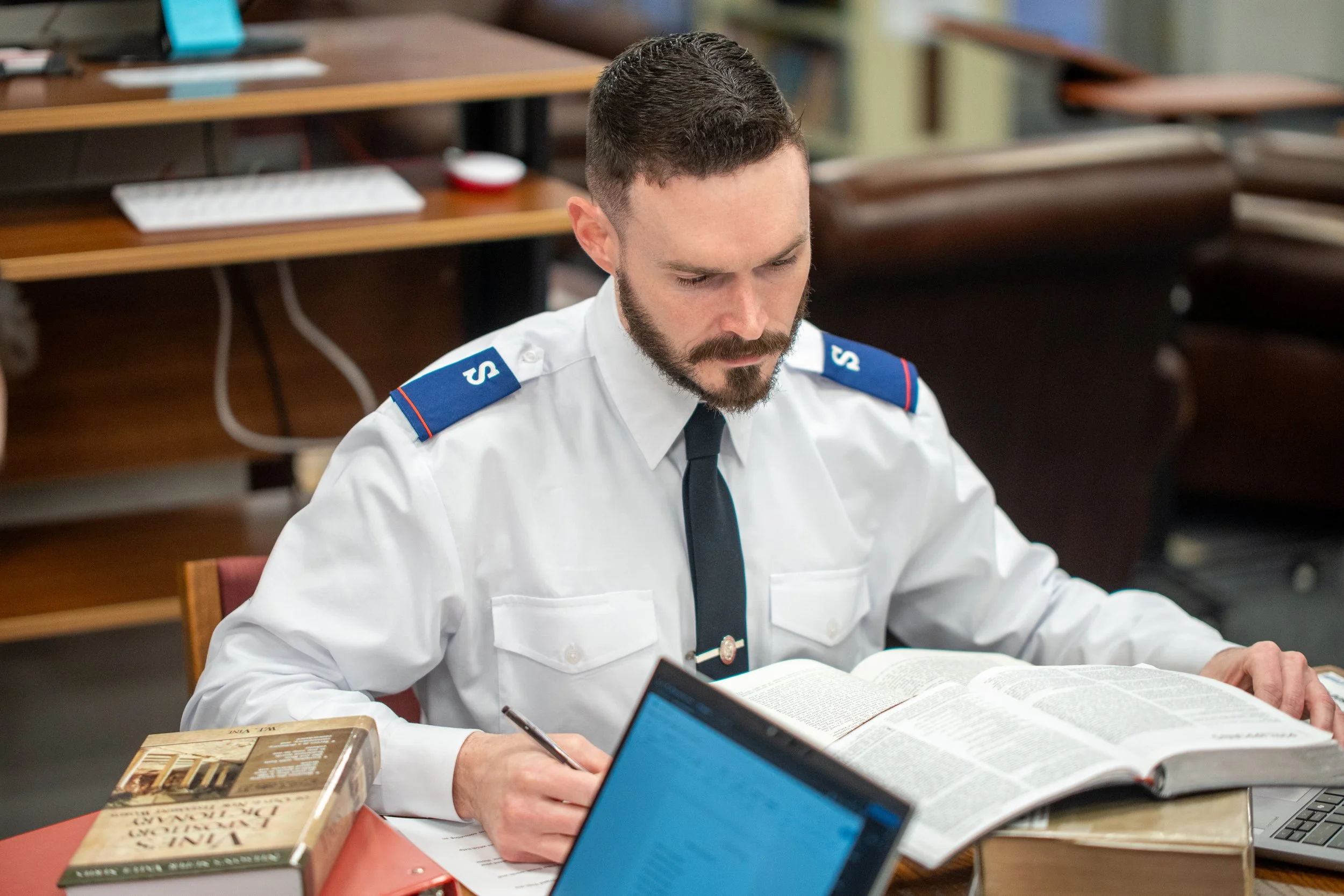
Without stewardship, vision becomes wasted energy or the illusion of progress. Stewardship is the bridge between divine revelation and daily reality. It's the relentless, humble discipline required to ensure vision delivers lasting value.
A steward understands that what they manage has been entrusted, not owned. Scripture shows us this in Hebrews 3:5-6: "Moses was faithful as a servant in all God's house... but Christ is faithful as the Son over God's house." Both exemplified stewardship. Moses led as a servant. Jesus, though the Son, took the form of a servant.
Stewardship is a heart posture of reverence. As God challenges in Malachi 1:6, "If I am a father, where is the honor due me? If I am a master, where is the respect due me?" Stewardship answers through faithful service.
Stewardship is responsibility with humility. Faithful stewards practice self-discipline, taking responsibility not because someone is watching, but because they bear the weight of what’s been entrusted to them.
Excellence becomes the natural byproduct. Joseph in Egypt was not the owner of Pharaoh's resources, but he managed them so excellently that his stewardship made him the most powerful man in the nation. His excellence led to innovation: creating storage systems that saved Egypt.
Innovation is the result of stewarded excellence over time. You innovate by practicing faithfulness and creating systems that allow creativity to thrive. Innovation grounded in stewardship becomes transformation.
So when you ask what vision means for your calling, vision without stewardship becomes just another good idea. But vision stewarded with humility and excellence becomes a force that transforms communities.
Trust: The Currency That Determines Everything
Stewardship doesn't operate in a vacuum. There's an invisible currency that determines whether your vision creates lasting impact or generates resistance. That currency is trust.
All transactions in business, ministry, or relationships are driven by trust. If people don't trust the system or leadership, they resist change, and innovation dies.
And here's the tension: pursuing your calling often requires disruption. Innovation is disruptive by nature. But when innovation is combined with stewardship, it honors the past while creating the future. It respects foundational values even as it restructures what must evolve.
If your calling requires challenging existing structures, do so through stewardship, humility, and accountability, building the trust needed for transformation.
This is what vision means for your calling in practical terms: learning to steward change in a way that builds trust rather than destroys it.
From Success to Significance
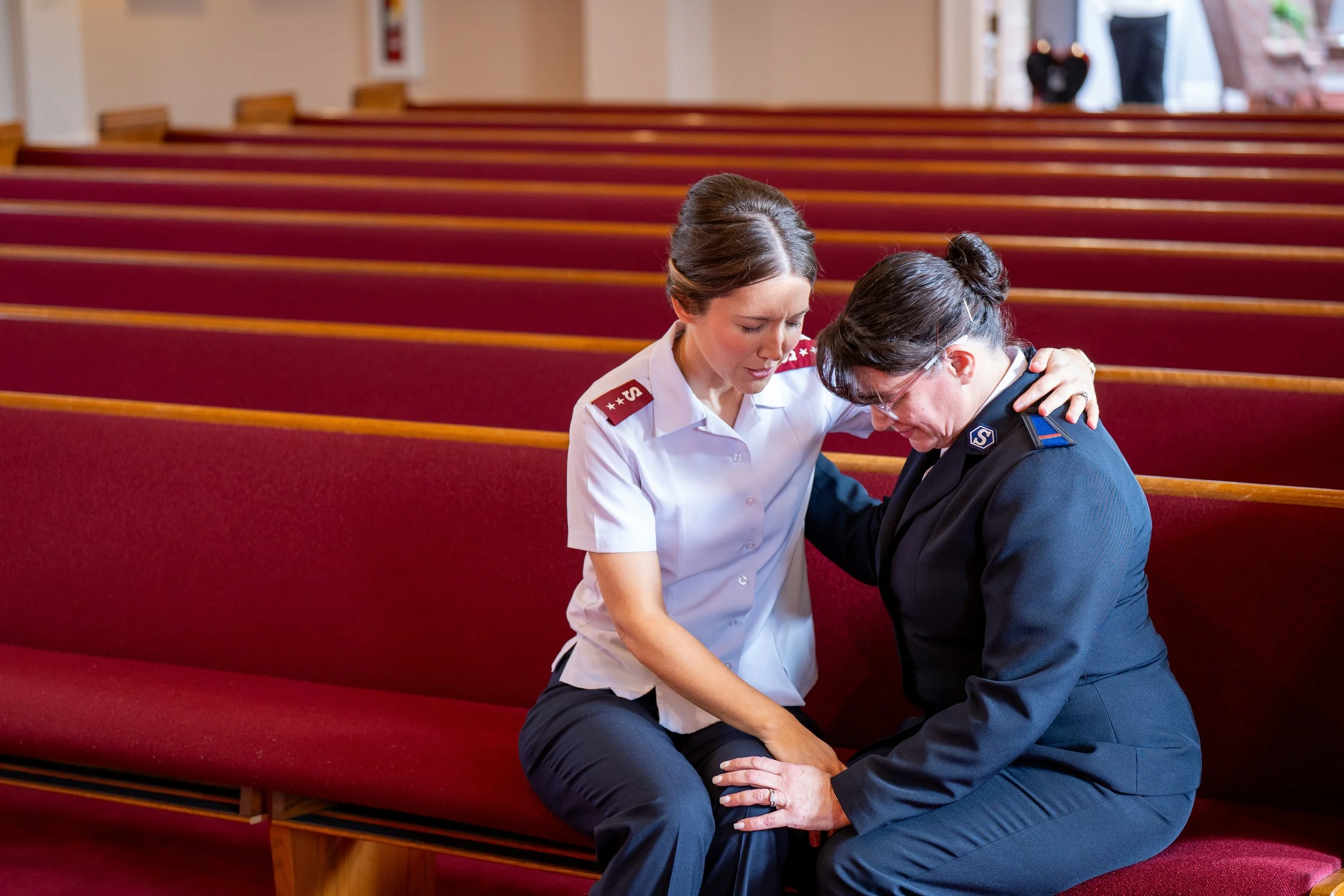
This brings us to what separates those who merely achieve from those who truly transform. It's the difference between success and significance.
Success is a personal, immediate achievement. There's nothing wrong with success. But success alone isn't enough for someone carrying a divine calling. Significance is building something that lasts beyond you: a structure, a legacy, a sustainable impact.
Stewardship matters to your calling because it's oriented toward something larger than yourself. A steward doesn't build monuments to their achievements. A steward builds infrastructure that serves the vision long after they're gone.
When you understand vision this way, you stop asking "What do I want to accomplish?" and start asking "What is God building through me that needs to endure?" That question changes everything.
Future-Proofing Your Calling
So we've come full circle. What does vision really mean for your calling? The ultimate goal of combining vision and stewardship is future-proofing your life, your calling, and your work.
Vision is the initial revelation. Stewardship is the relentless discipline required to ensure that vision delivers lasting value. It's a structured approach that ensures divine insight translates into tangible impact.
Whether you're considering full-time ministry with The Salvation Army, exploring Evangeline Booth College, or discerning what ministry jobs align with your calling, the principle remains: innovation is your vehicle. But your deeper value is the cultural impact built on trust and consistency.
Your Next Step
As you discern your path toward full-time ministry, remember: you're stepping into sacred stewardship of vision, a calling that requires both divine insight and disciplined execution. The question isn't whether you have a calling. The question is whether you'll seek the vision that clarifies it and build the systems that sustain it.
Vision without stewardship is just inspiration that fades. Calling without structure is just a desire that exhausts. But vision stewarded with humility, executed with excellence, built on trust, and designed for significance? That becomes the kind of ministry that doesn't just impact your generation. It transforms the next.
Exploring full-time ministry? Learn more about The Salvation Army's officer training at Evangeline Booth College and discover how vision and stewardship come together in 730 days of transformative preparation.
