
How God uses the people around us to shape the purpose within us.
Have you ever wondered how God makes His calling known? Perhaps through a quiet moment of prayer, an unexpected opportunity to serve, or a conversation with someone who sees something in you that you haven’t yet recognized in yourself.
We often think of calling as something deeply personal, a purpose God placed on our hearts for us to discover and pursue. And while our relationship with Him is personal, the Christian journey was never meant to be walked alone.
As we enter a season of gratitude and reflection on the people God has placed in our lives, we’re reminded that Christian community is more than a source of friendship and fellowship. It’s where faith grows, gifts are discovered, and God’s purpose begins to take shape.
For those discerning a call to full-time ministry, that community may be one of the most important parts of the journey. Because sometimes, understanding where God is leading us begins with recognizing who He’s placed beside us.
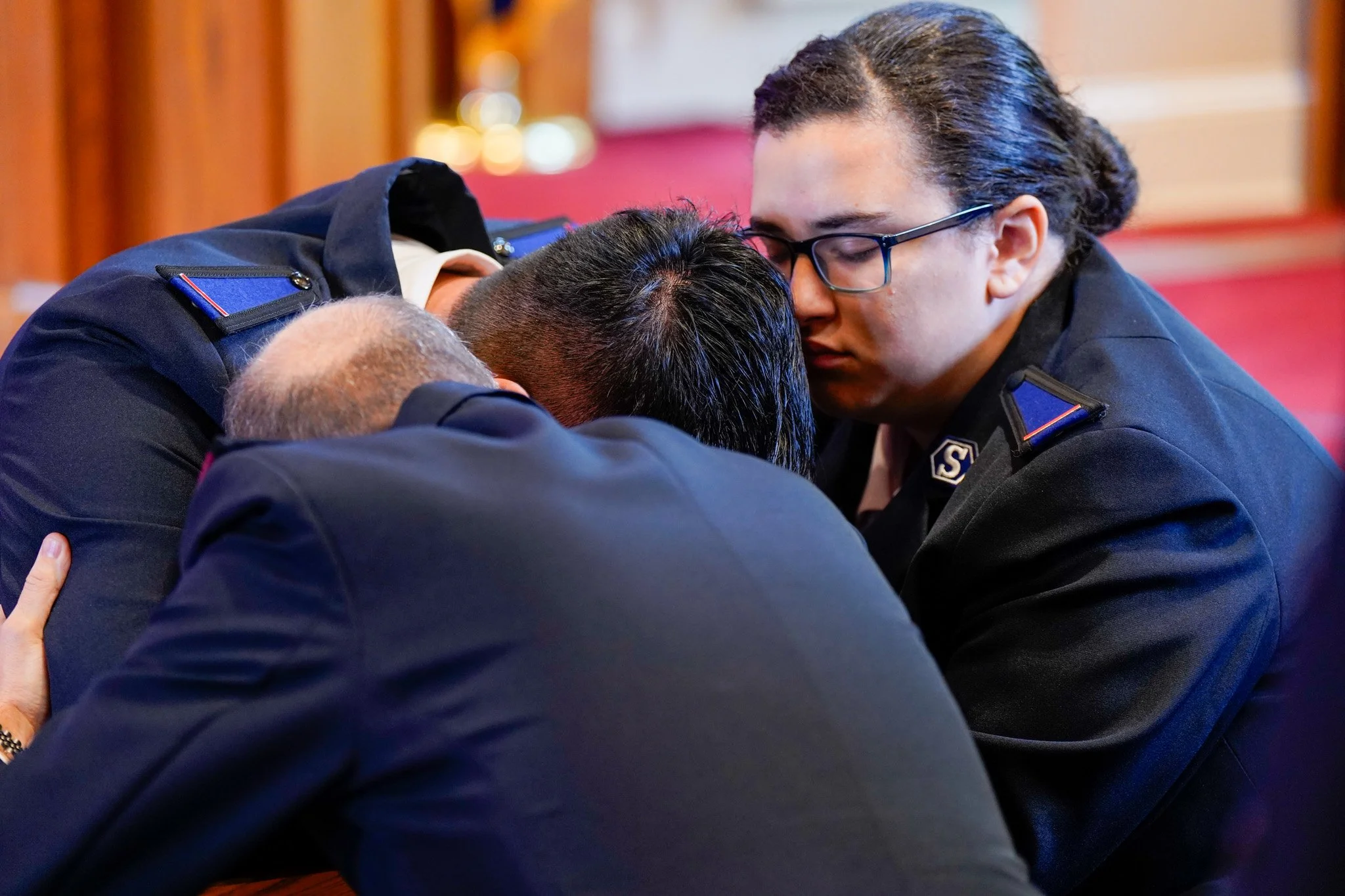
Grace Was Never the End
Before we can understand where God is calling us, we must understand what He’s already called us into.
Salvation is deeply personal, but its purpose reaches far beyond the individual. Through grace, God restores our relationship with Him and transforms the way we live in relationship to others. We are not simply saved from something. We are saved for something, too.
Ephesians 2:8-10 makes this distinction clear. We are saved by grace through faith, not by works, yet created in Christ Jesus to do good works. Our service cannot earn God’s love; it is an expression of the love we’ve already received.
Grace changes what we believe. It also changes what we’re willing to do about it.
Serving others becomes more than an act of kindness. It becomes an expression of our faith, a willingness to carry Christ’s love beyond the walls of the church and into the lives of those around us. For some, that desire develops into a call to full-time ministry, where serving God and His people becomes a lifelong vocation.
But even the strongest calling was never intended to stand on its own. God has given each of us different gifts, experiences, and opportunities to serve, not so we can accomplish His mission independently, but so we can accomplish it together.
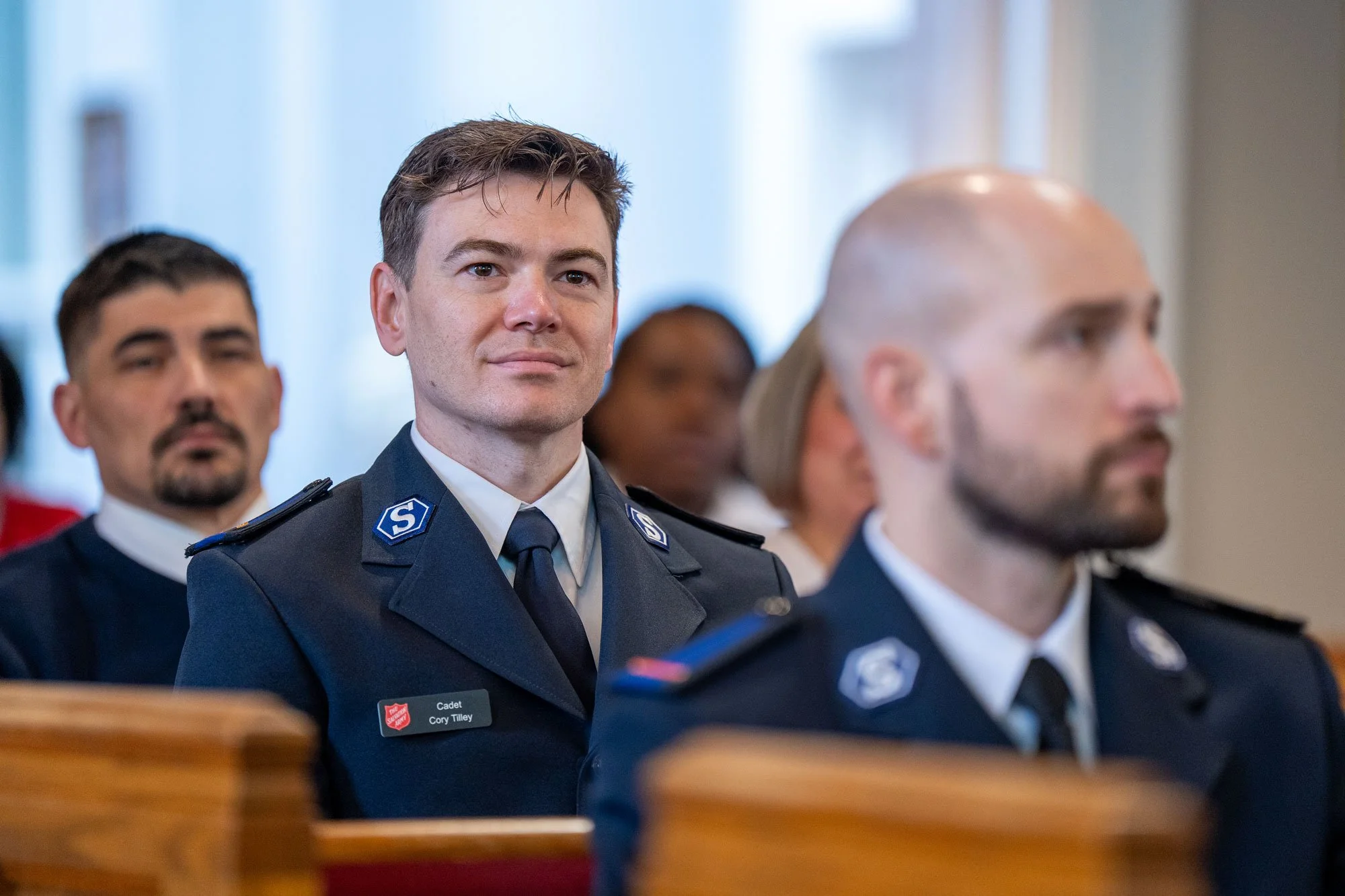
More Than the Sum
The Apostle Paul describes this shared purpose through one of Scripture’s most familiar images: the Body of Christ.
In 1 Corinthians 12:12-27, Paul reminds us that the body is made up of many parts, each with its own function, yet all belonging to one whole. No part can claim to be more important than another, and none can fulfill its purpose entirely on its own.
The same is true of the Church.
Some are gifted teachers, others are compassionate caregivers, courageous leaders, or faithful encouragers. Each brings something different to the table, but it is through those differences that Christian community becomes something greater than the sum of its parts.
Our gifts were never intended to compete for importance. They were meant to complement one another in service to Christ.
This is what makes the calling to serve so much greater than an individual ambition. God’s mission doesn’t depend on one person’s abilities, accomplishments, or qualifications. It unfolds through a community of believers willing to offer what they’ve been given, trusting that God can accomplish more through their collective faithfulness than any one of them could accomplish alone.
And sometimes, it is within that community that we begin to recognize gifts and possibilities we never knew we possessed.
The Voices Along the Way
Sometimes, the gifts we struggle to recognize in ourselves are the very ones others see most clearly.
Our corps officer notices your heart for teaching. A mentor recognizes your ability to lead. Someone you’ve served tells you how deeply your compassion has affected their life. What many seem ordinary to you becomes an opportunity for someone else to recognize God’s work in your life.
These moments don’t determine our calling, but they can help us discern it.
Proverbs 15:22 reminds us, “Plans fail for lack of counsel, but with many advisors they succeed.” Discernment requires prayer, patience, and a willingness to listen. It also requires humility: the understanding that God can use the wisdom and encouragement of others to challenge our assumptions, strengthen our faith, and reveal possibilities we might otherwise overlook.
For those considering full-time ministry, Christian community offers something especially valuable: a place to explore difficult questions without having to know every answer. Am I truly called to lead? Am I prepared for the responsibility? What if I don’t feel qualified?
These questions aren’t evidence of a weak calling. They’re invitations to seek God more deeply, alongside people who can pray with us, speak truth into our uncertainty, and help us grow.
And as that calling becomes clear, the question begins to change. Rather than simply asking whether God is calling us, we begin to consider what answering Him might require.
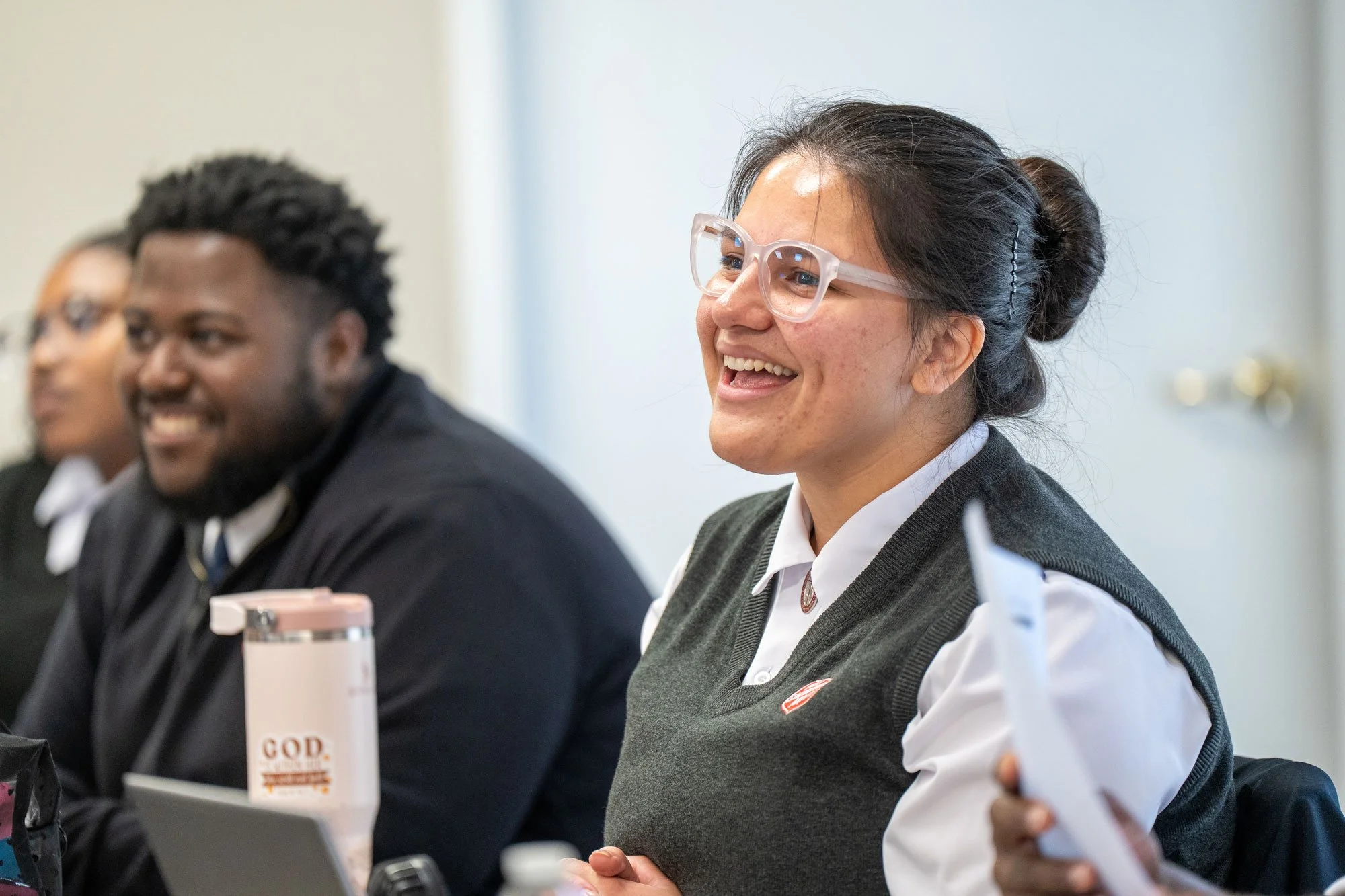
Where Faith Finds Its Feet
A warm meal. A safe place to sleep. A hand reaching out when someone feels they've run out of places to turn.
These moments rarely make headlines, but they change the course of someone’s life. Behind each one is someone who chose to put their faith into action, turning compassion into something another person can see, feel, and experience.
For The Salvation Army, this is more than an expression of kindness. It’s the foundation of a mission rooted in the gospel of Jesus Christ and a commitment to meeting human needs in His name.
When William Booth began his ministry in the streets of London’s East End, he recognized that preaching the gospel and responding to human suffering couldn’t be separated. That conviction continues to shape The Salvation Army today, where ministry takes place in church services and shelters, around dinner tables and hospital beds, and wherever someone needs to encounter the love of Christ.
But ministry is about more than meeting immediate need. It’s about the relationships formed along the way. The conversations that restore dignity. The consistent presence that builds trust. The willingness to walk beside someone long after the first moment of crisis has passed.
As we discern our calling to full-time ministry, these are more than opportunities to serve. They’re opportunities to discover what it means to devote your life to others' spiritual and practical needs.
Because recognizing a calling is one thing. Learning to live with it, day after day, is another.
The Making of a Minister
A calling may begin with conviction, but a lifetime of ministry requires more than the willingness to answer it.
It requires humility to keep learning, courage to lead through uncertainty, and discipline to serve faithfully when the word becomes difficult. Those who enter full-time ministry aren’t expected to arrive with every answer. They are called to remain teachable, allowing God to shape both their character and their capacity to serve.
For those exploring officership in the ranks of The Salvation Army, preparation is an essential part of that journey. At Evangeline Booth College, future officers enter a community dedicated to spiritual growth, theological education, leadership development, and practical ministry training. What they’ve begun to recognize through prayer, service, and the encouragement of others is strengthened through intentional preparation.
Yet the making of a minister extends beyond the classroom.
It happens through shared worship, challenging conversations, opportunities to lead, and the daily experience of learning alongside others who are answering a similar call. Within this Christian community, Cadets are challenged to grow not only in what they know, but in how they live, lead, and love.
The goal isn’t simply to prepare someone for a minister job or equip them to fill one of many ministry jobs. Salvation Army officership is a commitment to a life of Christian leadership, serving others, and proclaiming the gospel of Jesus Christ.
Education provides the tools. Experience develops the skills. Community offers encouragement and accountability. Together, they help prepare future officers for a calling that will continue to grow and challenge them long after their training is complete.
The Call Goes On
The people who have shaped your faith are part of your story. Their prayers, encouragement, and example have helped prepare you for a purpose that reaches far beyond yourself.
Now, consider whose story God may be calling you to become a part of.
If you’ve felt a growing desire to serve, lead, or dedicate your life to full-time ministry, you don’t need every answer before taking the next step. Share your questions, seek His guidance, and lean into the community He’s placed around you.
At Evangeline Booth College, we’re here to walk alongside you as you explore a calling to Salvation Army officership.
Your calling may begin with you, but its impact was never meant to end there.