
Discipleship Isn't Optional: It's the Call
There's a question that quietly follows many people for years. It sounds like this: "What am I supposed to do with my life?"
When that question gets filtered through faith, it usually narrows into something more specific. Am I called to full-time ministry? Are there ministry jobs with my name on them? Should I be thinking about officership in The Salvation Army, missions, or church work?
Those are real questions, and they deserve honest answers. But they may not be the first question. Before any of them can be answered well, there is a deeper one worth asking, the one that lies underneath discipleship itself.
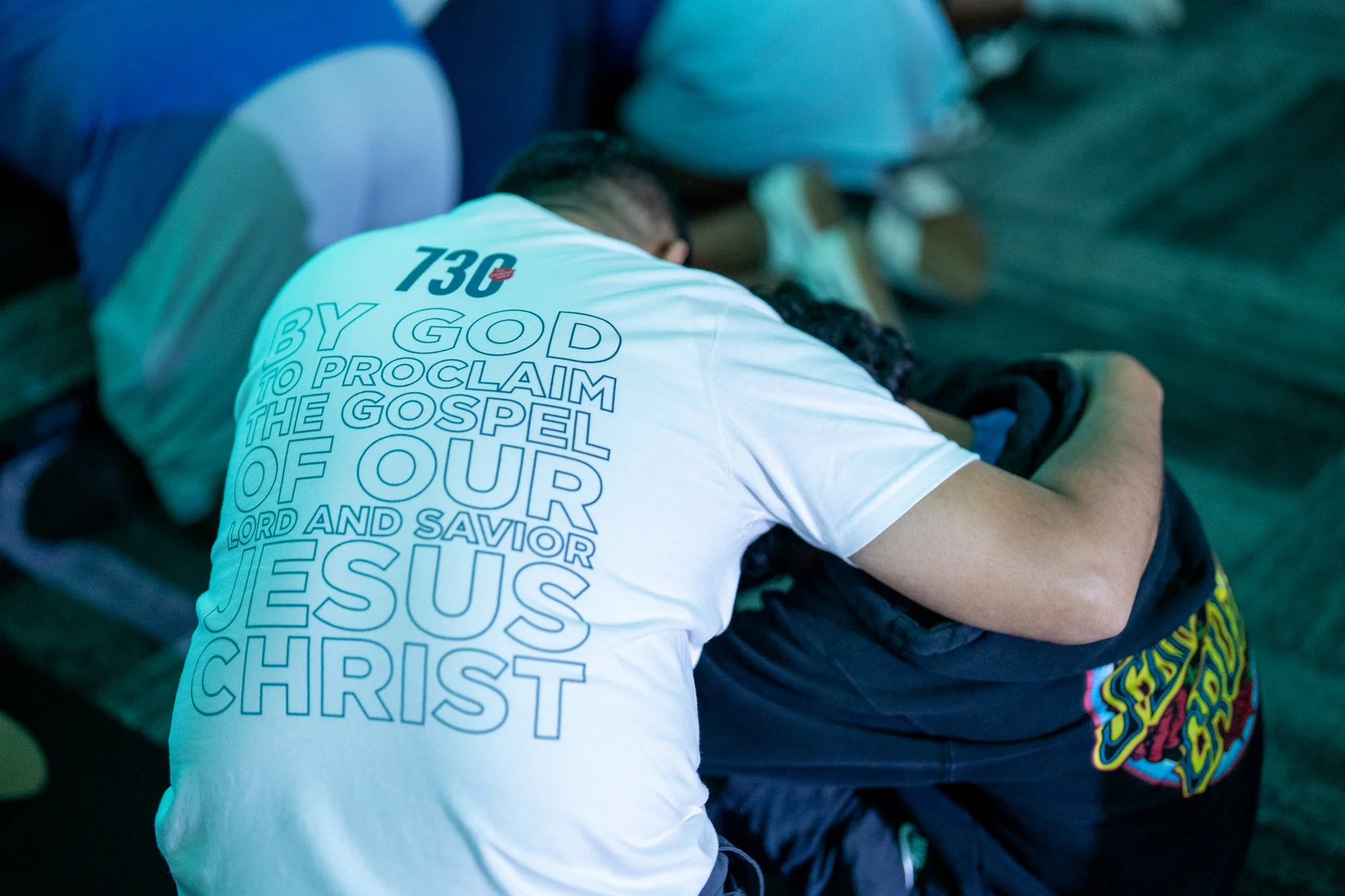
A Call You Didn't Earn
Scripture does not describe Christians as people hoping to one day qualify for God's service. It describes them as people who already belong. "But you are a chosen people, a royal priesthood, a holy nation, God's special possession" (1 Peter 2:9).
Notice the tense. You are a priest right now, not someone who will be once you try hard enough, and not someone who will be once you feel spiritual enough. The call did not wait for you to feel ready. It found you and named you.
That changes the question. It is no longer "am I called?" It is "how am I living into the calling I already have?"
This is where discipleship begins. Not with earning a place at the table, but with recognizing that a place has already been set. Discipleship is the slow, daily work of learning to live as who you already are in Christ.
How Discipleship Shows Up
If the call is already yours and the identity is already given, the next question is honest. How does anyone tell? How is a life of discipleship distinguishable from a life that just happens to use religious language?
Jesus answered this in John 15. Not by performance, not by appearance, not by the right words at the right moments, but by fruit.
"I am the vine; you are the branches. If you remain in me and I in you, you will bear much fruit; apart from me you can do nothing."
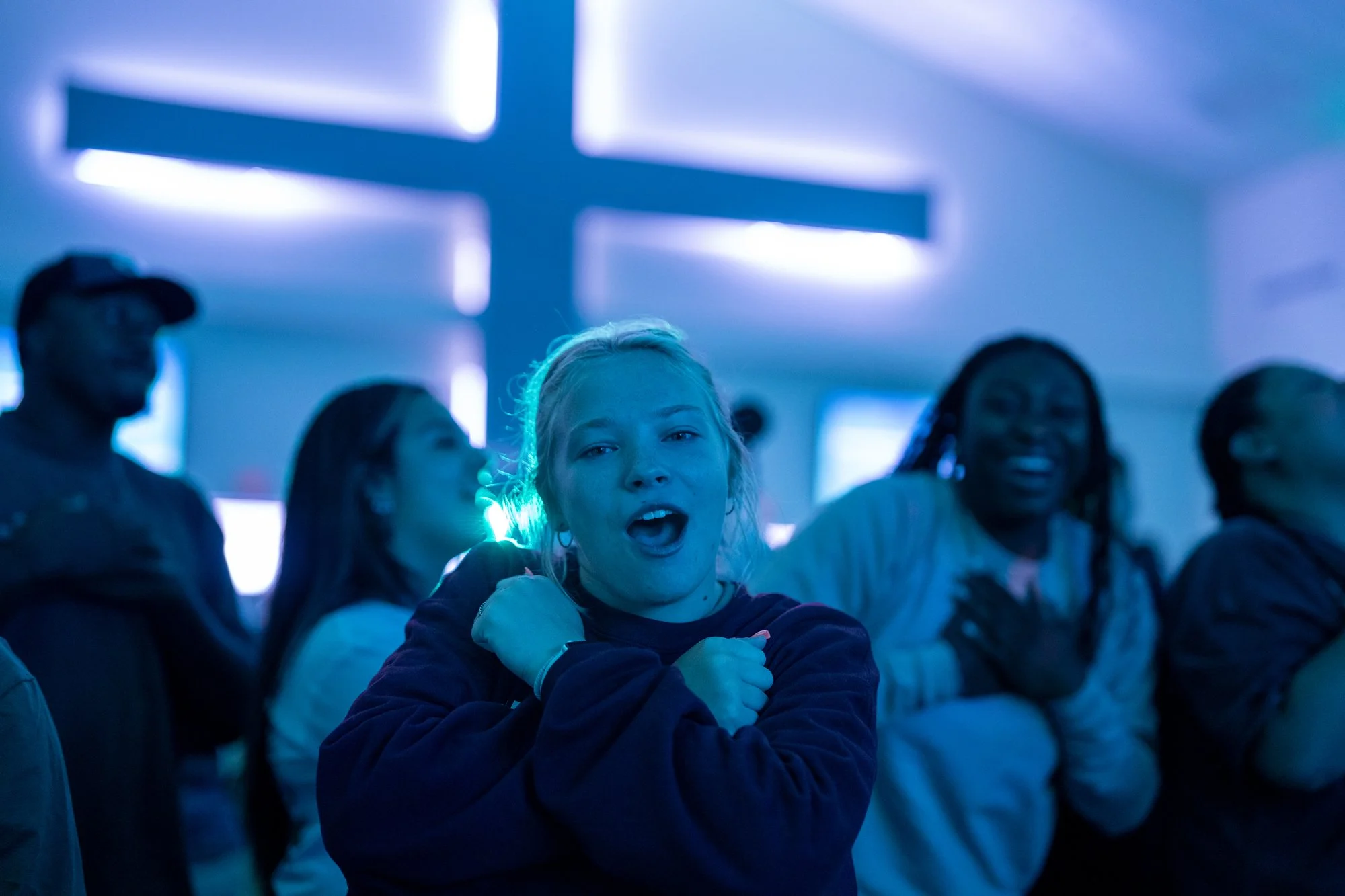
There is something worth sitting with here. Fruit is not produced by branches that strain harder. Fruit is produced by branches that stay connected. No one has ever seen a branch force an apple into existence. The apple comes because the branch is receiving something from outside itself, through the vine, up from the roots.
Fruit is the visible evidence of an invisible dependence. And that dependence is discipleship.
So when someone asks whether they are walking in discipleship, they are not really asking whether they are working hard enough. They are asking whether they are connected to the source, whether they are receiving what the vine is always offering, and whether they are staying.
Abiding Is the Heart of Discipleship
The word Jesus uses for "remain" is not a sleepy word. In Greek, it is meno, and it carries the sense of holding on, clinging, dwelling. It is active. It is a daily choice to stay where you can be fed, to refuse the thousand distractions that would pull you loose, to come back to the vine in the morning and again at night and again when you have drifted.
Abiding is what a branch does when it decides it does not want to die.
This matters for anyone wondering about full-time ministry. So much of the world's language about vocation is about pushing outward, making something of yourself, building a career. Even inside the church, the pressure to produce can quietly replace the invitation to abide. A branch disconnected from the vine may look busy for a while, but it will not bear lasting fruit.
This is also why discipleship and discernment are not two different conversations. They are the same conversation, asked at different depths. Discipleship is the daily abiding. Discernment is asking, in the middle of that abiding, "Lord, where are you taking this? What shape do you want my fruit to take?"
Priest and Offering
Here is where the picture of discipleship deepens, and where many of us have been carrying a smaller version of the truth than what Scripture actually holds out.
In the Old Testament, the priest and the offering were separate. The priest brought the lamb and placed it on the altar. There was a clear line between the one serving and the gift being given.
Jesus collapsed that separation. He was the priest and the offering at the same time. He carried himself to the cross. He gave what he was.
Through him, we are invited into the same thing. Paul writes, "I urge you, brothers and sisters, in view of God's mercy, to offer your bodies as a living sacrifice, holy and pleasing to God; this is your true and proper worship" (Romans 12:1).
The call of discipleship is not primarily to a set of tasks. It is an offering. And the offering is not lambs, grain, or money. It is our lives, our wills, our daily yes. We are what we bring.
This is why the "what should I do" question, on its own, can never quite reach the heart of things. The question underneath is not what you do. It is what you offer. Whether your will is rendered. Whether your yes is honest.
A Will That Learns to Surrender
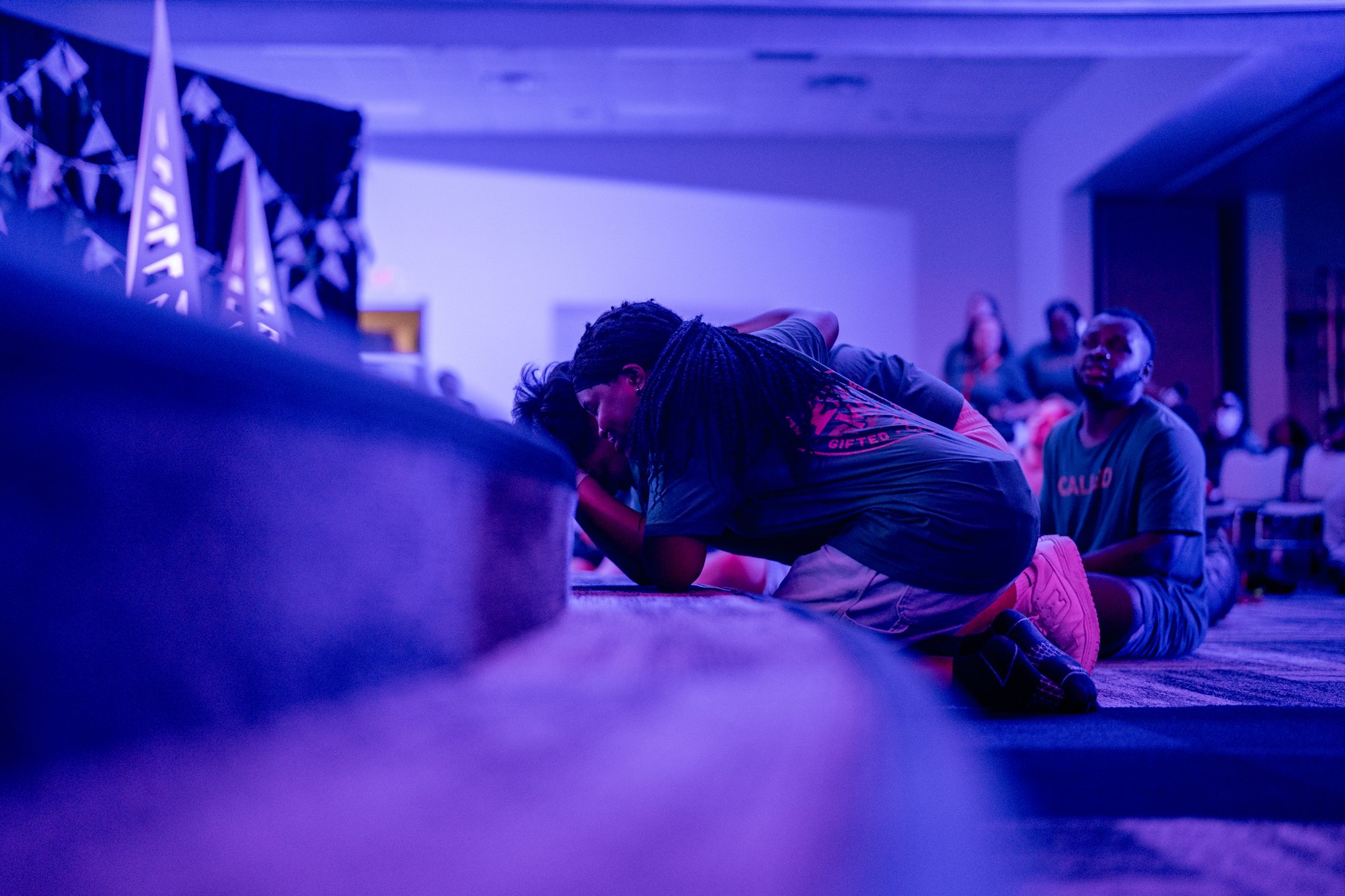
None of this happens easily. The will does not surrender on demand. Anyone who has tried to decide, in a single moment, to hand their life over to God knows how quickly the old self rises back up. The "yes, we speak in the morning" is often contradicted by the choices we make by noon.
This is the Holy Spirit's work. Slowly, patiently, often invisibly, the Spirit is transforming the heart that keeps taking its life back. Paul writes that "we all, who with unveiled faces contemplate the Lord's glory, are being transformed into his image with ever-increasing glory" (2 Corinthians 3:18). The transformation is gradual, but it is real. The rendering deepens as the heart is made new, and the heart's newness makes a deeper rendering possible. The two feed each other.
Every movement of the heart, whether noticed or not, is oriented toward something. The heart was made for adoration. When it surrenders to God, the surrender itself is worship. When it hides from God, that hiding is also a kind of worship, pointed at something else. The heart is always bowing. The question is only toward what.
Discipleship, then, is not primarily about what you do. It is about what you are worshiping. It is a life bent, slowly and daily, toward the only one worth bowing to.
Full-Time Ministry as a Shape of Discipleship
Now the conversation about full-time ministry can be had honestly.
If discipleship is the call, and abiding is the practice, and offering is the shape, then a ministry job is not a higher category of Christian life. It is not a promotion from ordinary faith. Full-time ministry is one of many forms that a life of discipleship can take when God calls it into a specific vocation.
For some, that form stays right where it already is. It looks like a faithful life in the corps they already attend, honest work, quiet prayer, and showing up for their neighborhood and their family with hands open and will rendered. This is discipleship, and it is not less.
For others, the Spirit starts pulling in a different direction, with a prompting that does not settle, a conversation with an officer that keeps echoing, a sense that the next form of their offering may involve giving their vocational life entirely to the work of the gospel. Not every prompting becomes a ministry job, and not every stirring becomes a move. But every prompting deserves to be honored with prayer, with counsel, and with the willingness to keep asking.
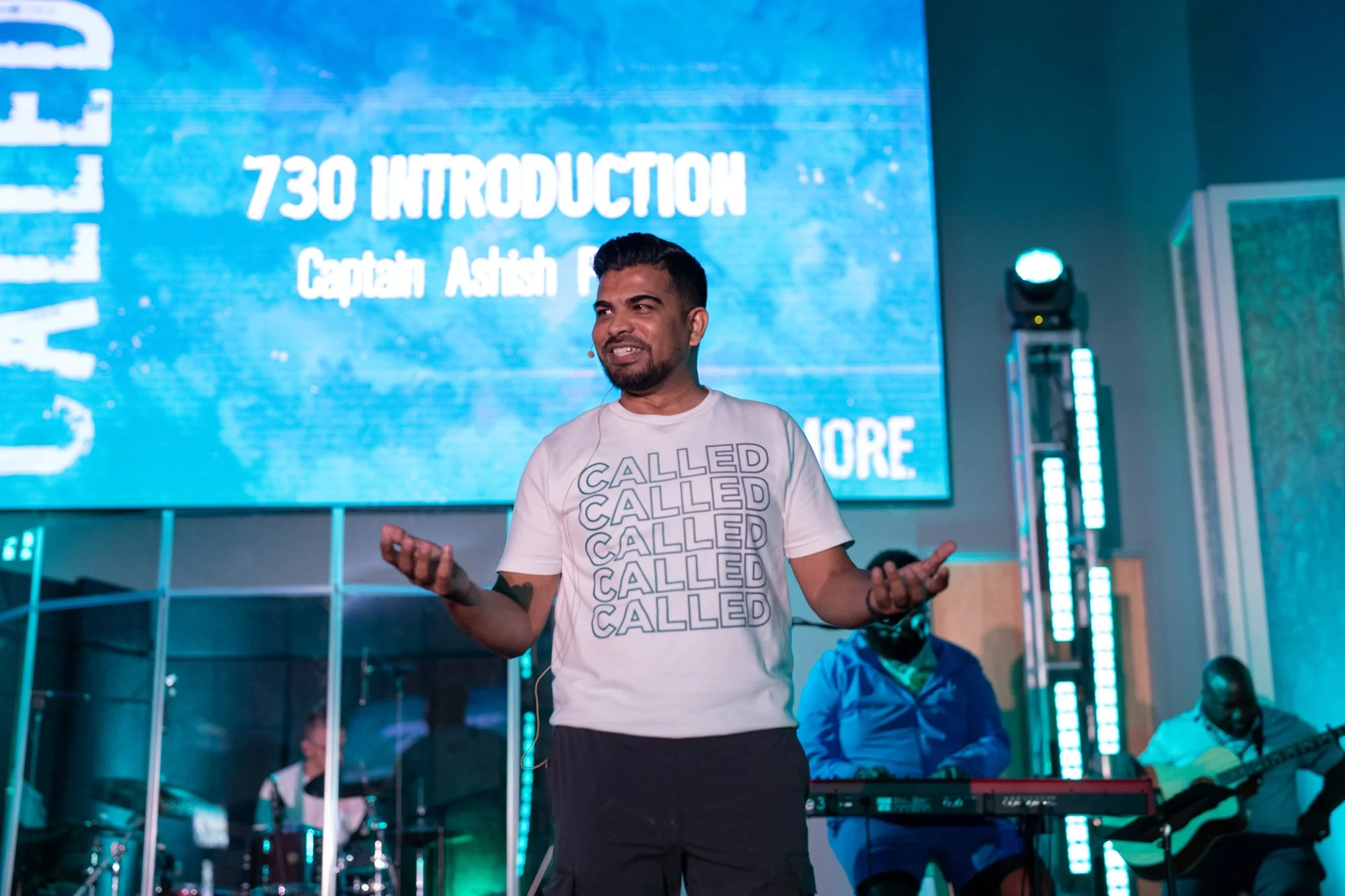
The Spirit who has been shaping your discipleship may be asking you to let that discipleship take a specific form within a specific community for the sake of a specific mission. Inside The Salvation Army, that specific form is called officership.
Evangeline Booth College: Where Discipleship Takes Shape
Inside The Salvation Army's Southern Territory, Evangeline Booth College is where cadets are formed for officership. EBC's approach holds one thing clearly: formation is not the same as education. A cadet at Evangeline Booth College learns theology, preaches sermons, leads chapel, meets weekly in small groups, and trains for the holistic role of a Salvation Army officer, pastoring a corps while running community programs. None of it rests on academic achievement or on the polish of a performance. It rests on the foundation underneath everything else.
Major Zach Bell, the college principal, calls that foundation the ABC of training. “A” stands for apprentices of Jesus. Before officer, before pastor, before administrator, a cadet is an apprentice, a branch learning to stay on the vine, a disciple learning to offer. The whole curriculum is built on one conviction: a life of ministry not anchored in discipleship will eventually run dry.
This June, the Keepers of the Covenant session will be commissioned after two years at EBC. They did not walk into commissioning as people who had finally qualified for ministry. They walked in as disciples whose discipleship is taking a particular form. Their yes to officership is not their first yes. It is one more offering in a life already learning to worship.

The Invitation Is Already Open
If you are wondering whether any of this is for you, here is the honest answer. The call is already yours. You are already invited into discipleship, already welcomed into abiding, already offered a place at the table of those God is forming for his purposes. That is not a future possibility; it is a present reality.
The question is whether full-time ministry is one of the shapes your discipleship is meant to take. That question is not answered by overthinking, nor by silence. It is answered by staying close to the vine, keeping company with people who can see you clearly, and being willing to take the next small step when the Spirit nudges.
If something has been stirring, do not rush past it. Talk to your corps officer. Attend a 730 Weekend. Ask the questions out loud.
You do not need the whole picture before you start. You just have to keep abiding. The fruit will come.
Start here at usscandidates.org. We would love to walk with you.