
Keepers of the Covenant
Imagine being handed the keys to a local government partnership, a multimillion-dollar social service budget, a crisis response center, and a church, all on the exact same day. For most of us, stepping into just one of those nonprofit leadership roles would induce absolute vertigo. But for the 22 officers preparing to be commissioned this June, this is not a hypothetical scenario. It's the reality of social service leadership and pastoral ministry combined into a single calling.
And those 730 days that came before? They were the crucible that prepared them for this dual leadership role.
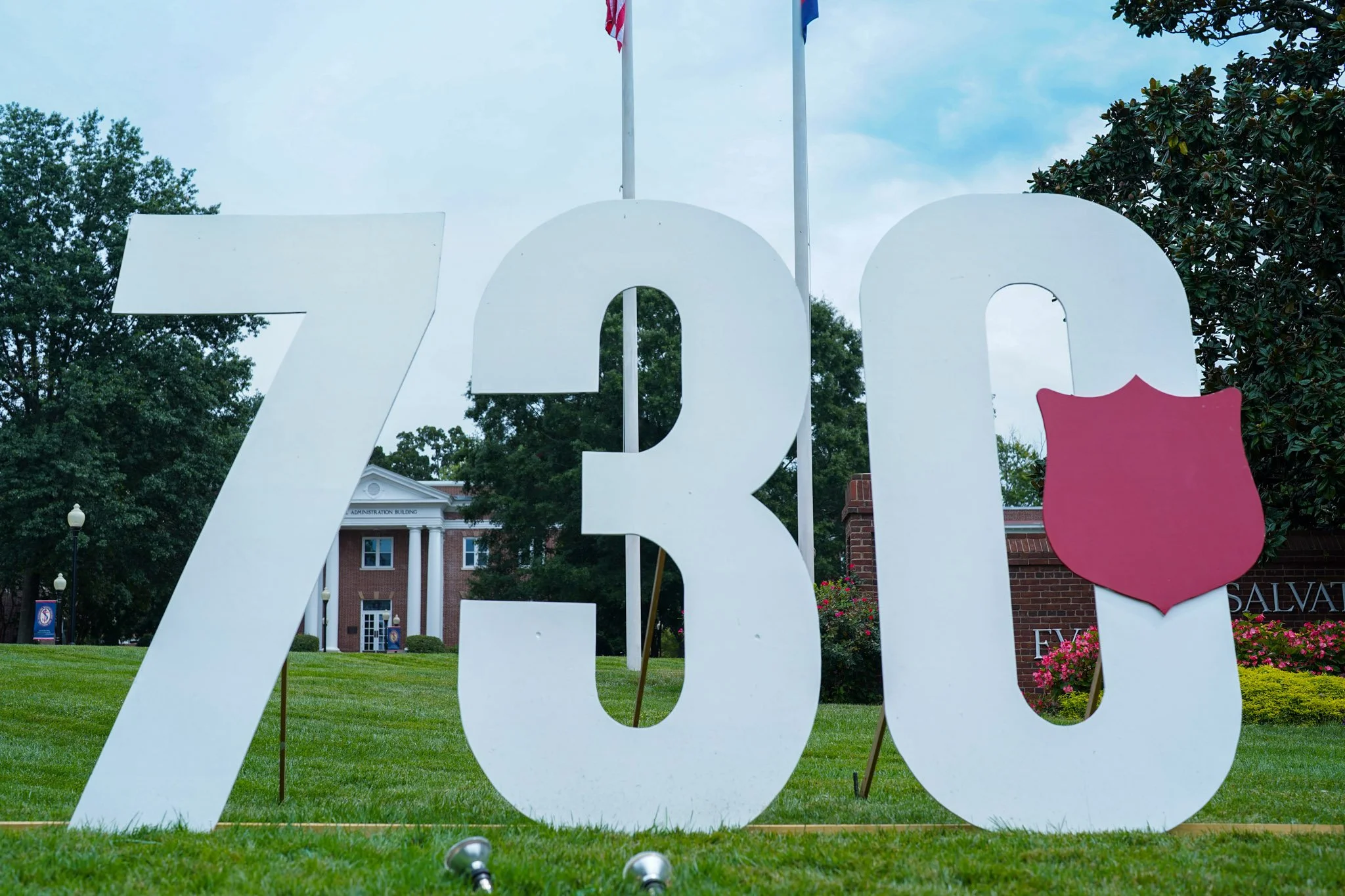
The Weight of 730 Days: Theological Education Meets Hands-On Ministry
If you've been following our blog or exploringfull-time ministry within The Salvation Army, you've probably seen the number 730 before. It's not just a countdown. It's a threshold representing two years of intensive officer training and spiritual formation. You cannot hack 730 days. You cannot shortcut them. You just have to survive them.
For the Keepers of the Covenant session preparing to be commissioned at Evangeline Booth College this June 2026, those 730 days are complete. But to understand what that number truly represents, you have to look at the math of transformation embedded in this formation program.
These 22 cadets have completed more than 900 hours of theological education, studying organizational theology, analyzing the historical legacy of William and Catherine Booth, and internalizing the Army's defining doctrine of blood and fire. Blood, representing redemptive grace through the Holy Spirit, and fire, representing the empowering work of going out and serving God in local communities.

But the classroom was only the beginning of their ministry preparation.
In addition to those 900 academic hours, they completed over 1,200 hours of hands-on ministry and community service. They ran youth programs, organized massive food distributions, conducted prayer walks in volatile neighborhoods, and partnered with Kroc Centers in underserved communities. They rode the canteen truck into the streets of Atlanta, serving meals to people experiencing homelessness and sitting across from human beings in the middle of devastating personal crises.
If 900 hours of classroom theory is the heat, then 1,200 hours in the field is the hammer. You cannot reshape steel without the violent friction of the hammer hitting it. And ministry, as these cadets discovered through this training program, isn't about having all the right words. It's about showing up when it's hard.
This balance of theological education and hands-on ministry defines what spiritual formation actually looks like. It's not purely academic, and it's not purely experiential. It's the integration of both that produces officers capable of church leadership training one moment, and crisis intervention the next.
From Recipients to Providers: Answering God's Calling
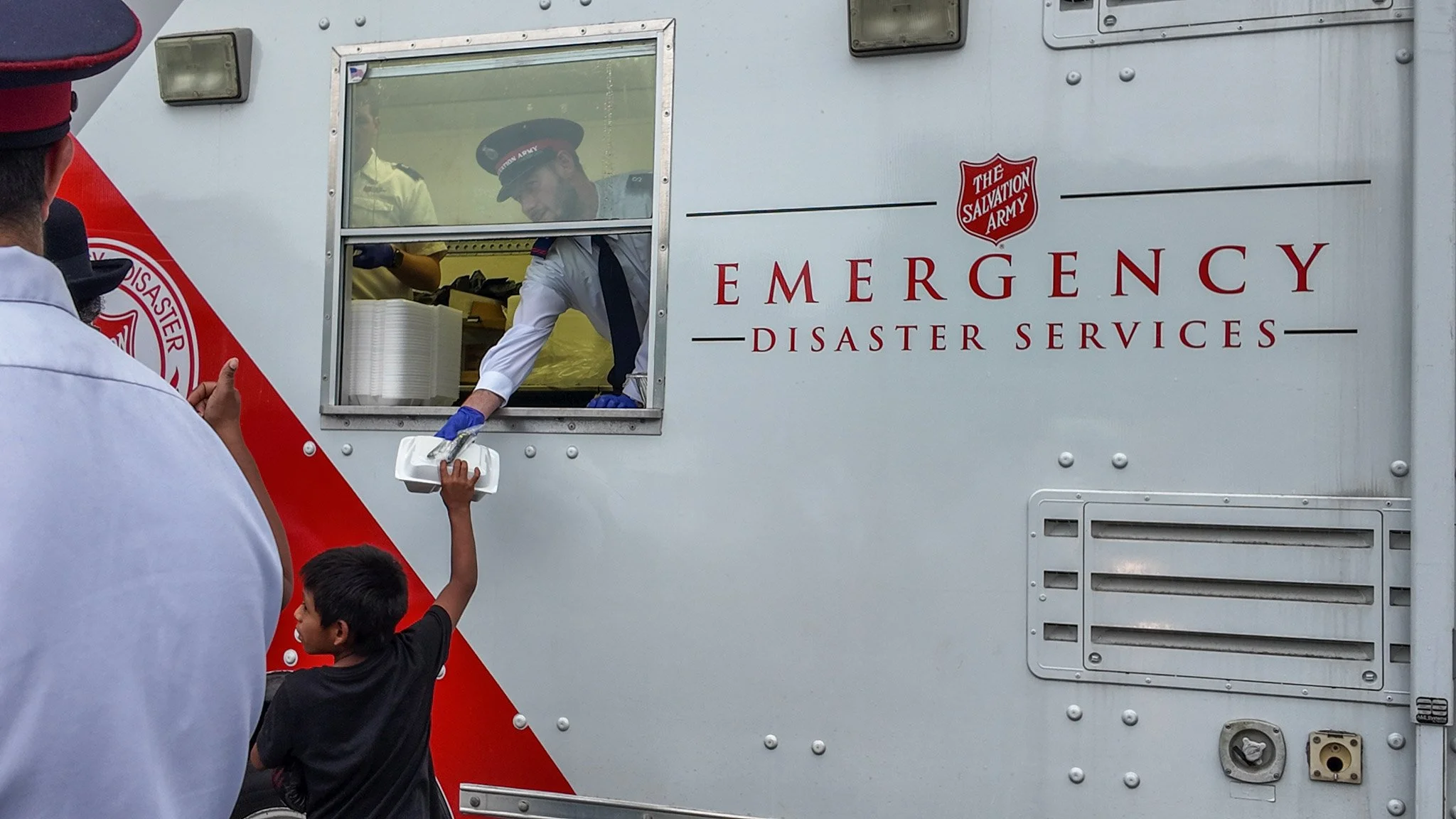
Here's where the story becomes even more profound, speaking directly to anyone wrestling with a ministerial calling.
The majority of these 22 individuals are first-generation Salvationists. They didn't grow up wearing the uniform or attending summer camps. They discovered The Salvation Army as adults, through homeless shelters, addiction recovery programs, community centers, and interventions from friends when they were at their most vulnerable. They encountered what it means to be called by God into a religious vocation, not through family tradition but through personal crisis and divine intervention.
They were the recipients of the 1,200 field hours from a previous generation of commissioned officers.
Think about that for a moment. Someone arrives at an emergency room on the worst day of their life, has their life saved by the doctors there, goes through years of rehabilitation, and then decides to dedicate the entire next phase of their life to going to medical school so they can become one of those doctors. That same pattern applies to this ministerial calling and those exploring ministry jobs within The Salvation Army.
These are people who encountered grace at their lowest point and then made the staggering decision to become conduits of that same grace for others. For 730 days, they were forged by the humbling realization that their own strength was never going to be enough. And that realization stripped away ego and replaced it with something far more durable: covenant.
This is what responding to God's calling looks like in practice. It's not about credentials or background. It's about surrender to a religious vocation that transforms recipients into providers.
Keepers of the Covenant: A Formation Program Built on Sacred Agreement
The name of this session is not accidental, and it speaks to the heart of what this formation program represents.
Their session verse is Jeremiah 31:33: "This is the covenant I will make with the people of Israel after that time, declares the Lord. I will put my law in their minds and write it on their hearts. I will be their God, and they will be my people."
A covenant is not a contract. It's not transactional. It's a sacred agreement where God makes a promise and invites His people into a relationship with Him. To be a keeper of the covenant means to guard that relationship, to live in faithful obedience, and to remember that the calling to ministry is not primarily about what you do, but about whose you are.
For two years, these 22 cadets have been shifting their core identity from "what they do" to "whose they are" through intensive spiritual formation. They are stepping into a system of redemptive grace, not a corporate ladder. And you cannot unlearn a lifetime of transactional, contract-based thinking in a weekend seminar. You need 730 days of intentional formation to fully comprehend the magnitude of the yes you just gave.
This is what makes Evangeline Booth College distinct as a training program for those exploring minister training and ministry jobs. It's not just about acquiring skills or completing a degree program. It's about covenant-based transformation that prepares you for a lifetime of service.
June 2026: The Month of Lieutenant Commissioning
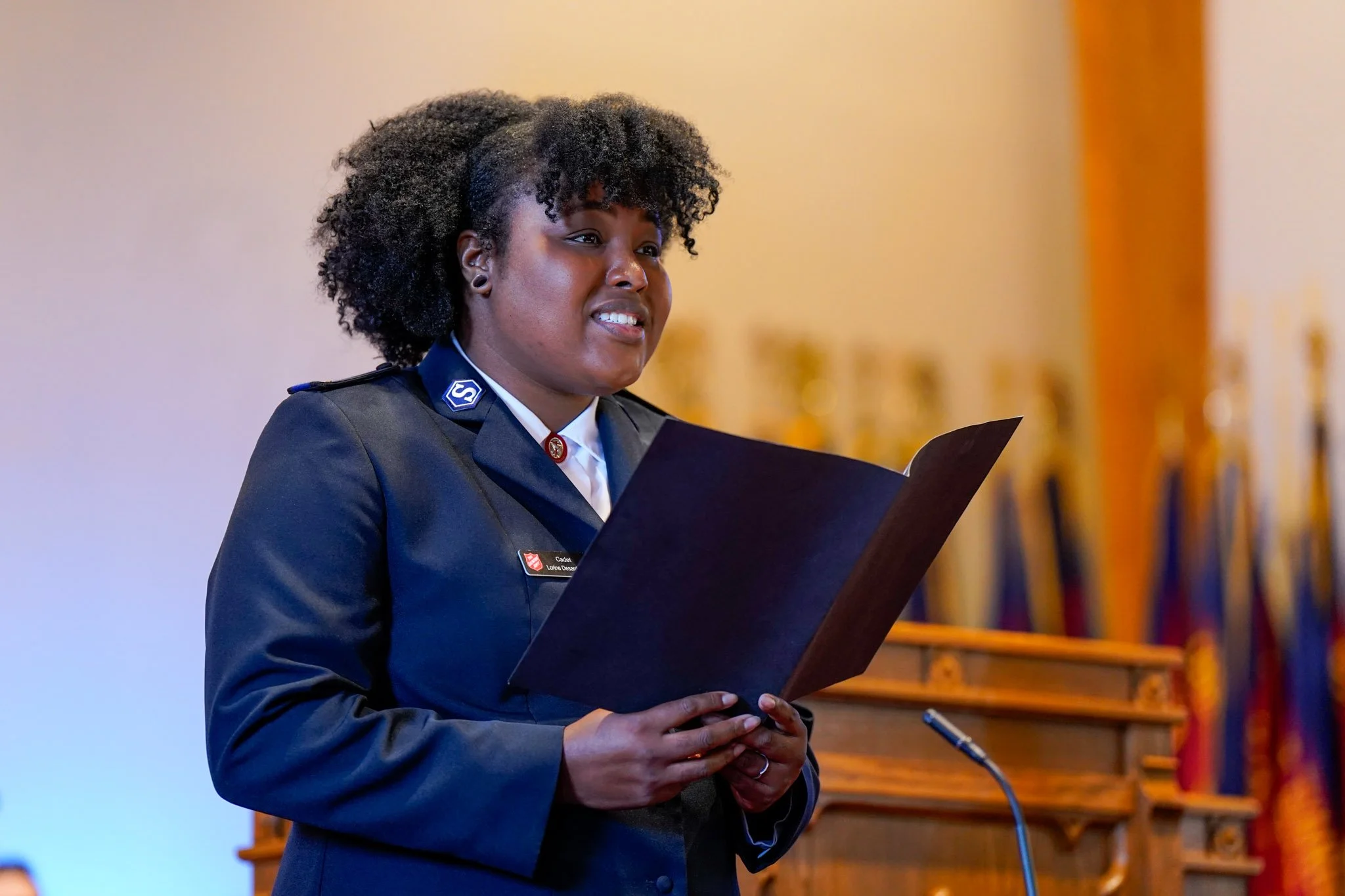
Sunday, June 7, 2026, marks the official lieutenant commissioning. The 730 days are up.
June is historically known within The Salvation Army as the month of sending, when commissioned officers receive their first appointments. These cadets will be ordained as ministers of the gospel and commissioned as lieutenants. They will be deployed across the southern territory to bring tangible transformation to local communities, some to major metropolitan areas like Atlanta, Georgia, some to tiny rural towns, all to take command of what the Army calls a corps.
A corps functions simultaneously as a local church and a highly active community social service center. When these new lieutenants get the keys to their building, they will suddenly be managing facility budgets, supervising administrative and volunteer staff, handling acute community crises, navigating partnerships with local mayors and city councils to secure funding, writing and delivering sermons for Sunday morning, providing pastoral ministry counseling for a congregation, and maintaining their own family life.
This is what a minister's job within The Salvation Army actually entails. It's social service leadership and church leadership training combined into a single role. Sometimes all within the same Tuesday afternoon.
Looking at that list of responsibilities, the cognitive load is staggering. You are asking one human being to seamlessly transition among the roles of nonprofit CEO, social worker, civic diplomat, and spiritual therapist.
So here's the critical truth about officer training: commissioning is not the finish line.
Day 731 and Beyond: Ongoing Ministry Preparation
The organization fundamentally acknowledges that it is impossible to completely prepare someone for that operational whiplash in just two years of officer training. That's why framing commissioning as a graduation is a total myth.
Lieutenant commissioning is not the termination of training. It is simply the pivot from theory to practice in ministry preparation. The most critical transformation on June 7th isn't intellectual, it's psychological. For 730 days, the cadet's primary internal narrative has been, "Am I being prepared? Am I absorbing enough?"
On day 731, that narrative permanently shifts to, "How will I lead? How do I apply this?"
They move from being consumers of training to owners of the outcome. The safety net of the training campus is gone, and the real-world consequences begin. But the institutional support for these commissioned officers does not stop.
These new lieutenants will transition into a five-year program called Officers Foundations, where they will continually return to campus and their cohort to process the real-world challenges they now face in their leadership roles. This ongoing church leadership training and ministry preparation acknowledges that the organization knows that if they just drop them into the deep end on day 731 without a tether, the systemic burnout rate would be catastrophic.
A real, profound transformation in any religious vocation requires the humility to realize that graduation is actually just day one of your real education. This is true whether you're exploring ministry jobs, ministerial positions, or any calling in which you're learning to serve God through community transformation.
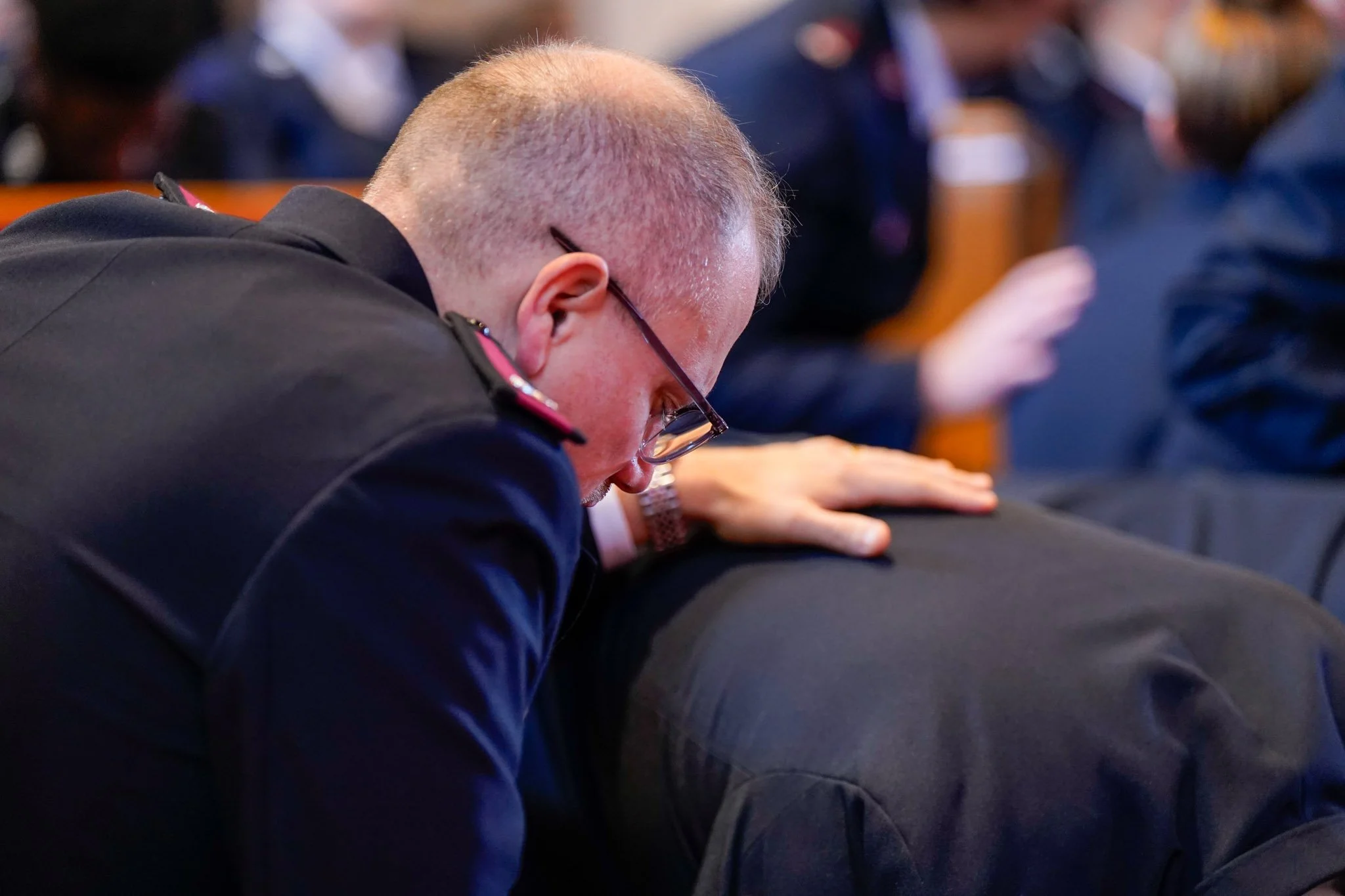
A Prayer for the Keepers of the Covenant
Father, we come before You first to give thanks. We know that even when we are not always faithful, You remain faithful.
It is Your faithfulness and Your grace that have allowed each of these cadets to arrive at this moment. It is Your grace that has sustained them through these 730 days and that allows them today to say, "Thus far the Lord has helped us."
We pray that Your Holy Spirit would continue to form them, comfort them, teach them, and transform their lives, so that they may be instruments of transformation in the communities where they are going.
Help them, Lord, to be the light of the world and the salt of the earth wherever they go. Help them remember that the security they have in Christ brings true peace to their hearts.
May the name of their session, Keepers of the Covenant, cease to be just a catchy title and become their living reality. May they find their ultimate peace and security in You—not in operational success, not in metrics, but in the sacred relationship that brought them here in the first place.
In the name of Jesus. Amen.